Finding 1
Deaths from Drugs

In Alabama prisons, there is a growing drug overdose epidemic.
Rampant drug use is happening inside facilities that are supposed to be secure, run by the largest law enforcement agency in the state.
Our investigation identified 347 drug-related deaths in Alabama prisons between 2019-2024.

Drugs are the leading driver behind Alabama’s soaring prison mortality rate, and drug-related deaths have increased significantly in the last six years.
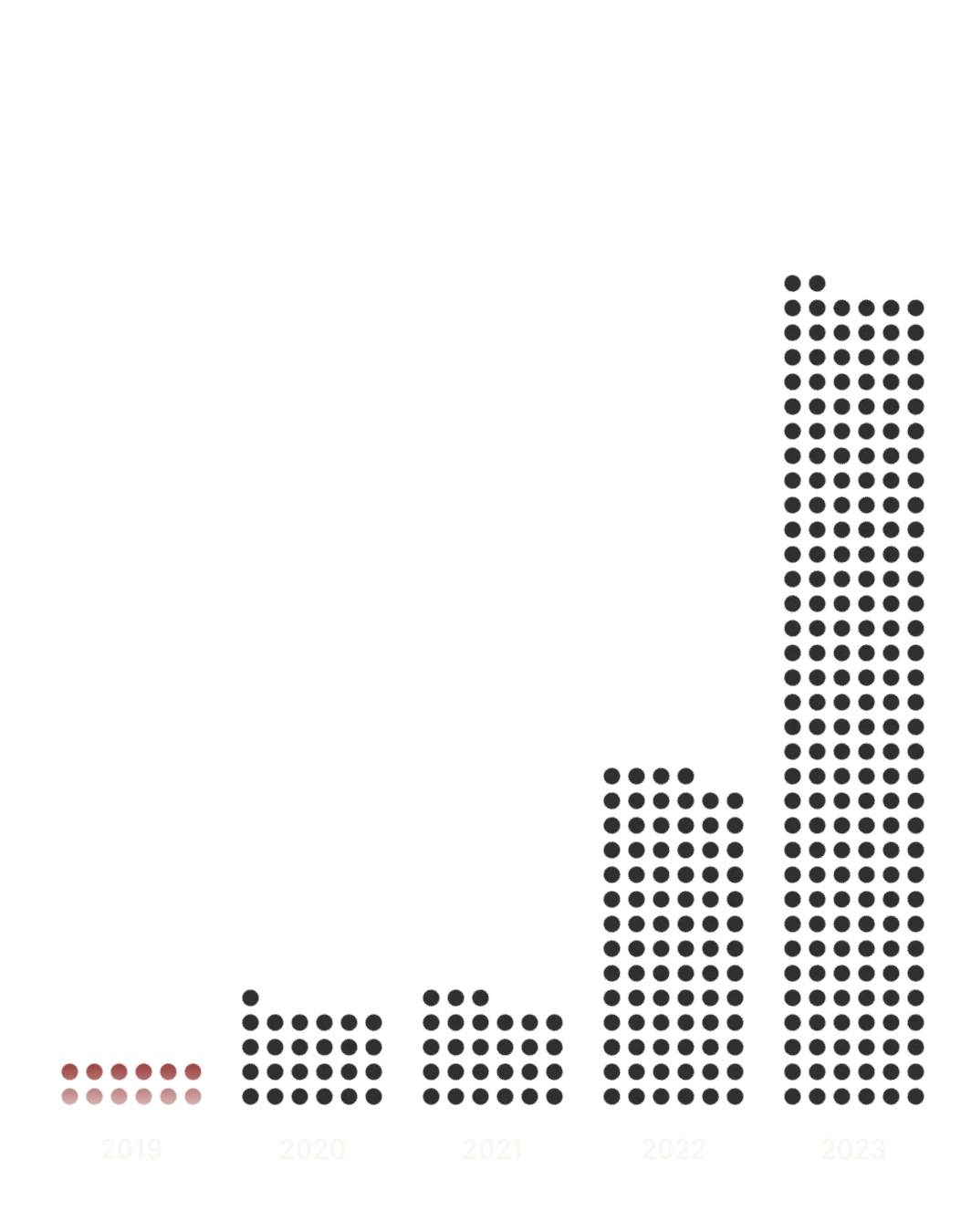
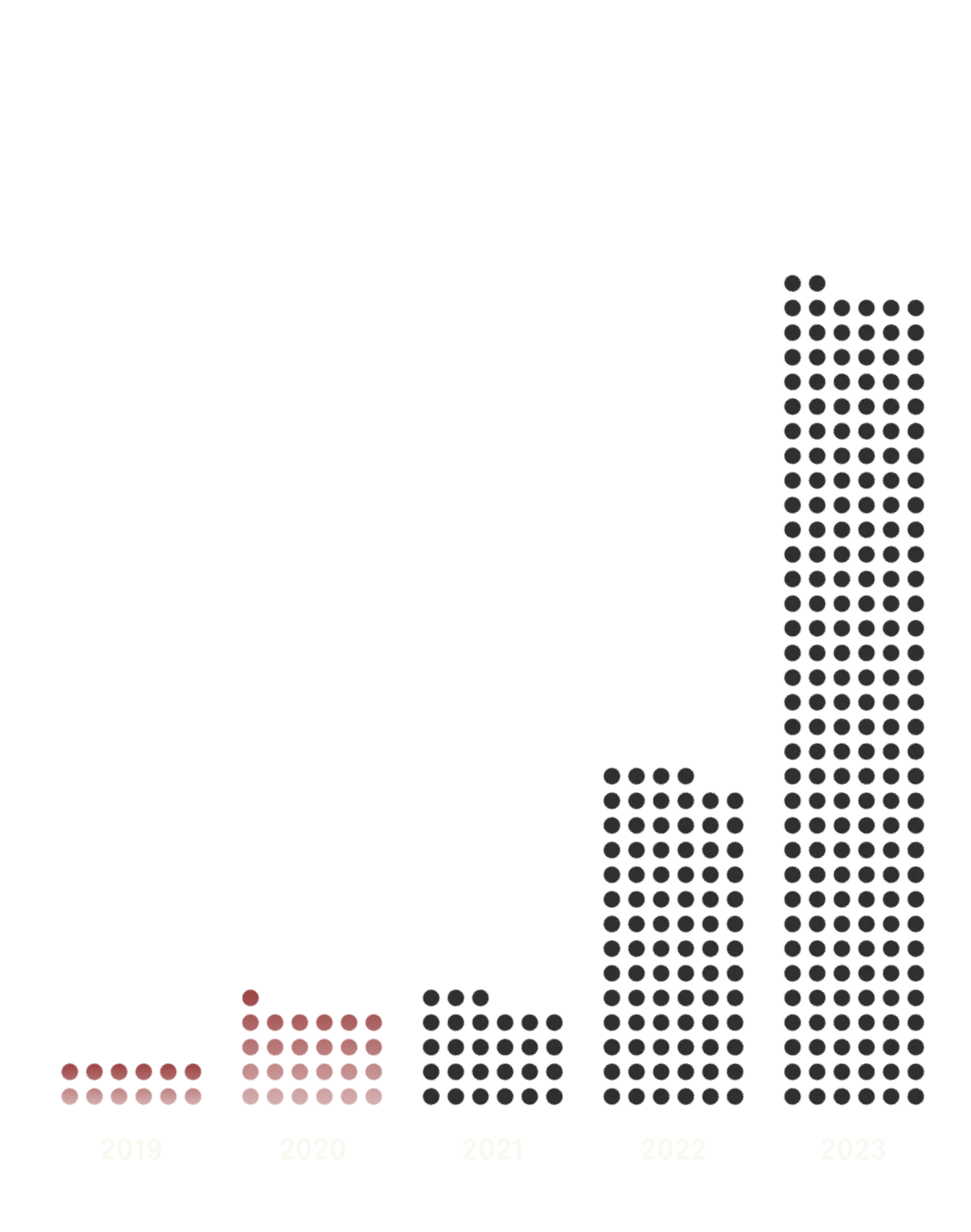

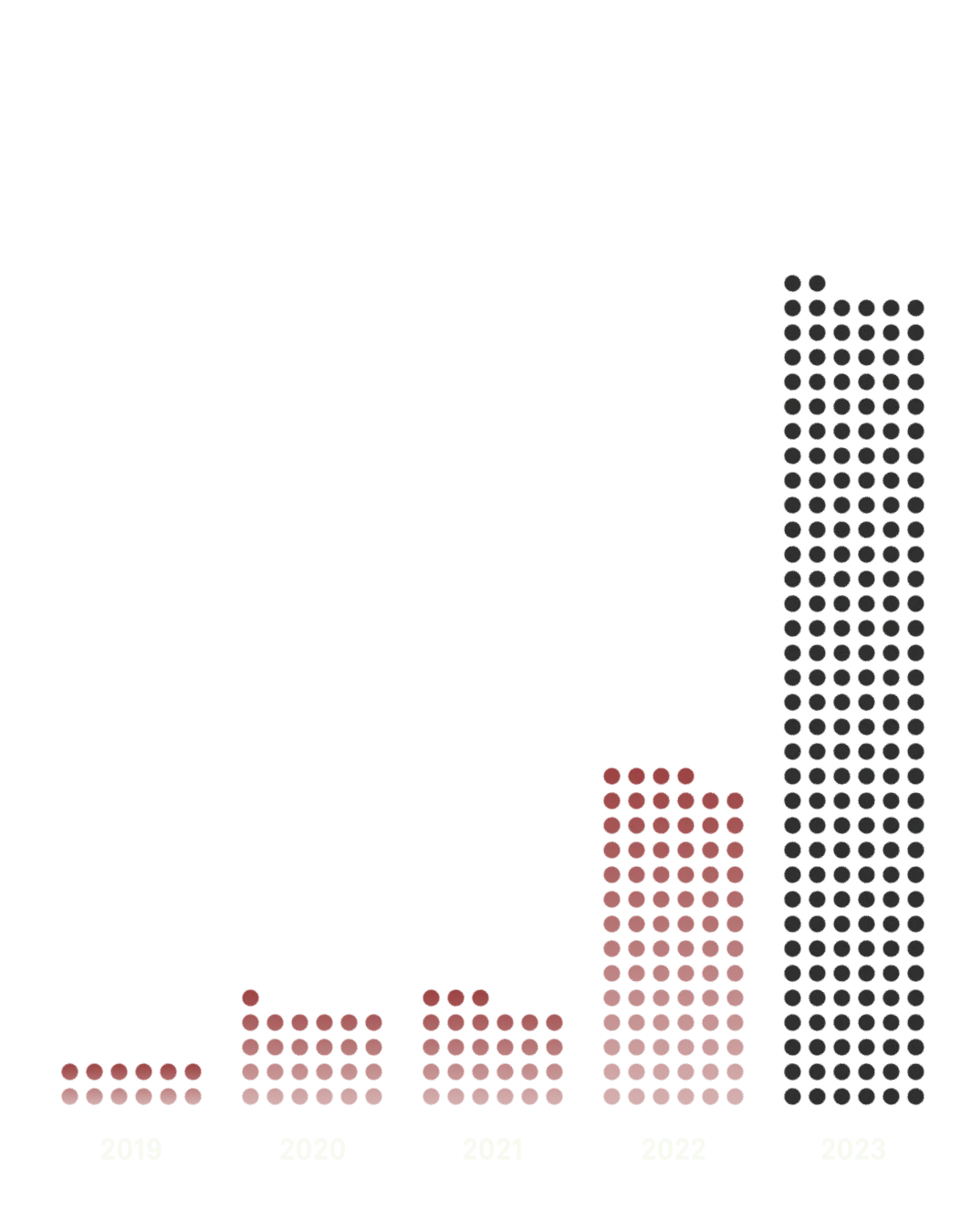
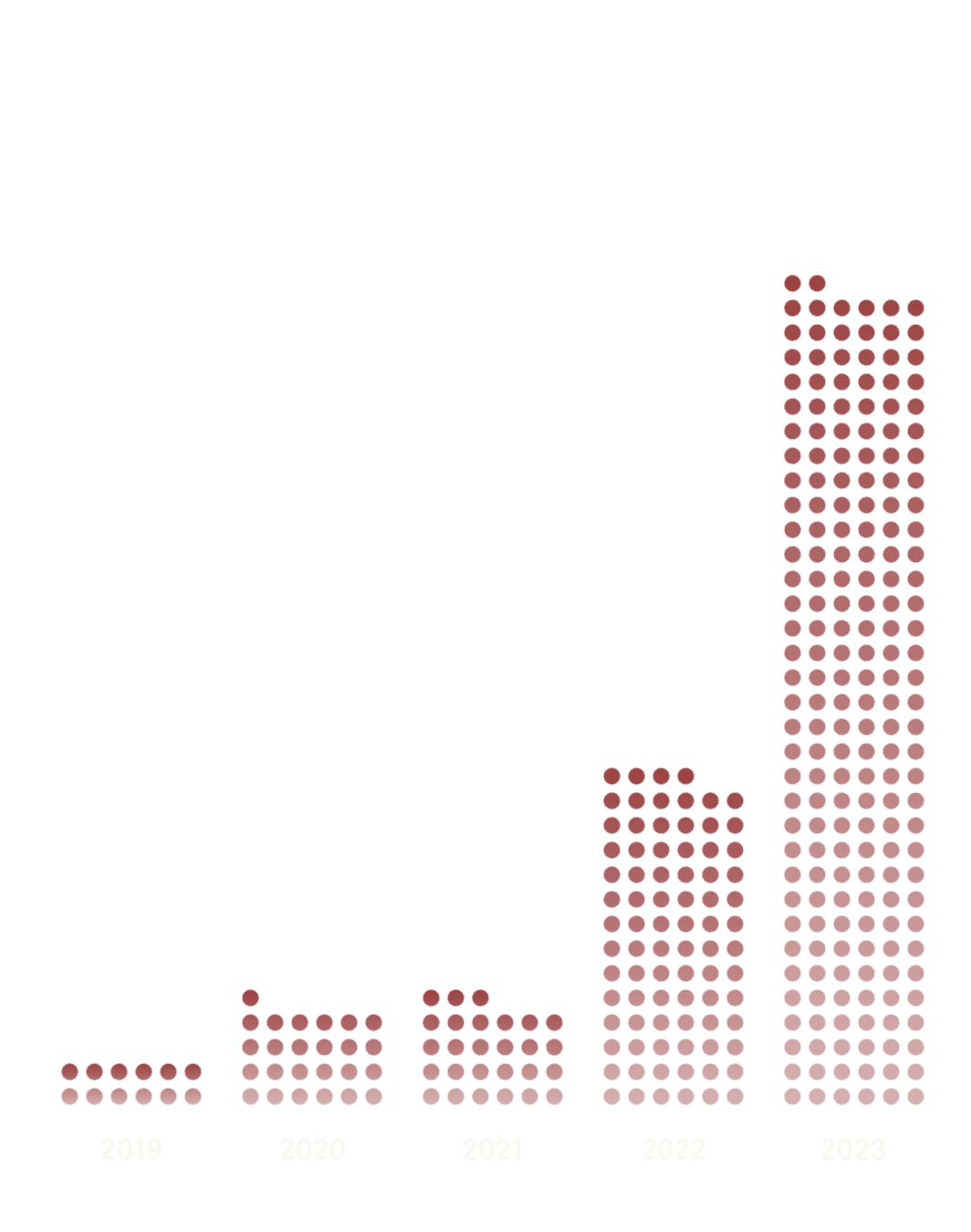
In 2019, our investigation tracked 8 drug-related deaths.
In 2020, as prisons stopped visitation due to COVID-19, the numbers began to surge.
By 2023, the number of drug deaths had skyrocketed to 131.
So how are the drugs getting in?
According to sources inside Alabama’s prison system, the volume of illicit drugs flowing into facilities would not be possible without the involvement or consent of prison staff.
During the COVID-19 lockdown, prison visitation was suspended and only staff had access to the facilities, but drug overdoses still reached record levels.
In the last few years, dozens of officers have been arrested for promoting contraband, but the crackdown hasn’t stopped overdoses from lethal drugs like methamphetamine and fentanyl.

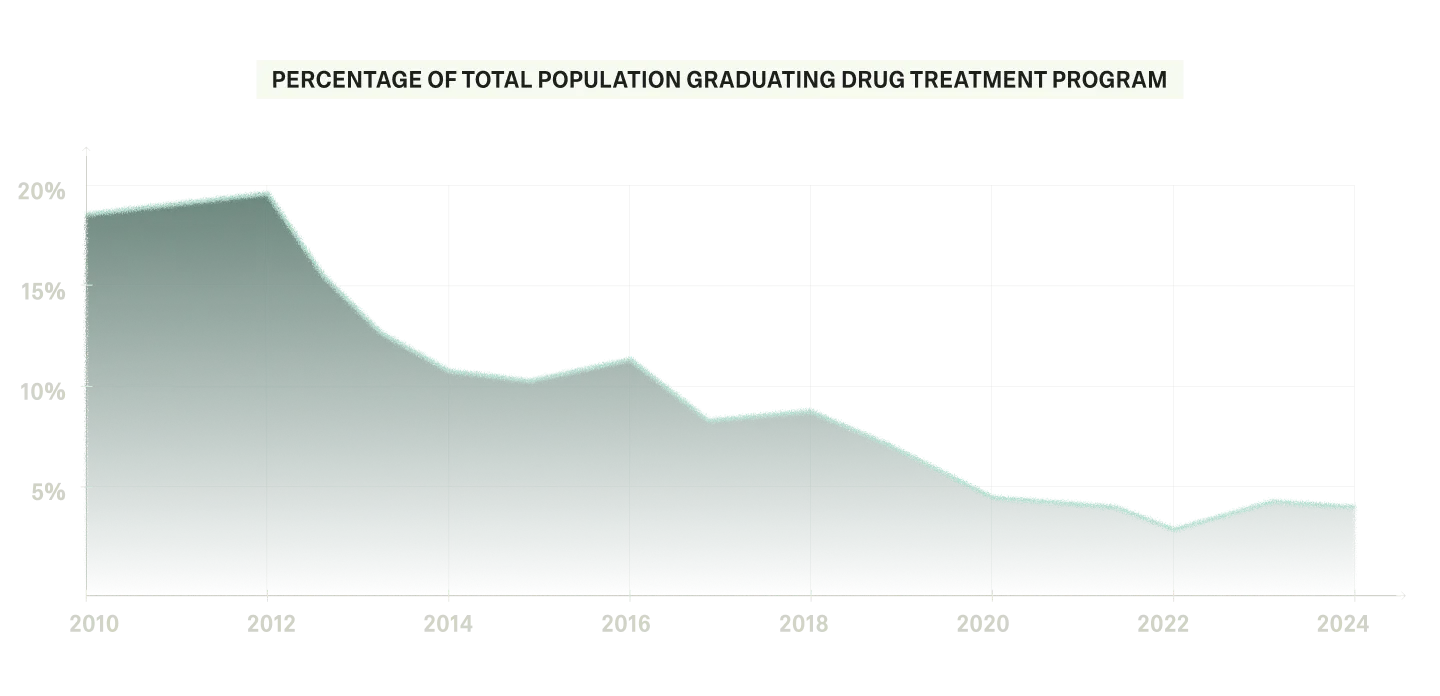
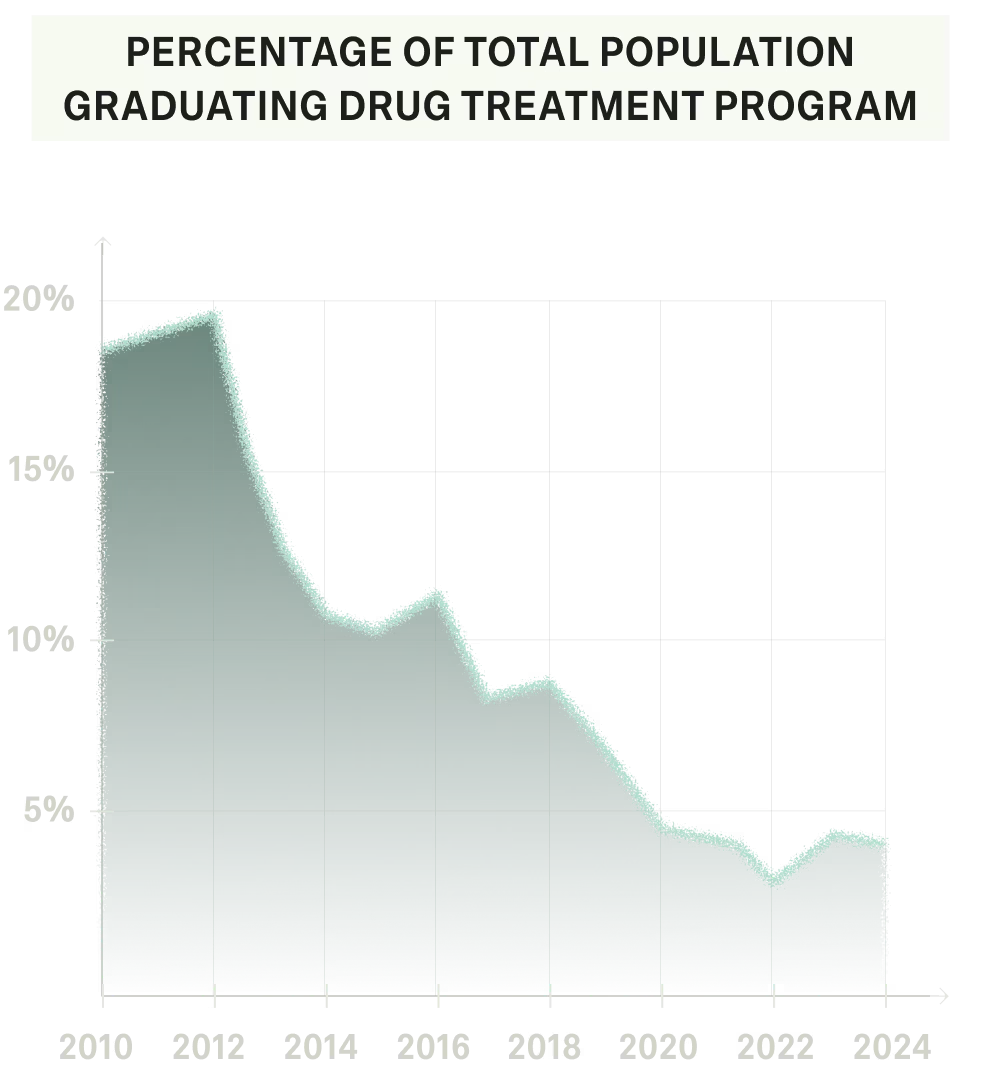
Meanwhile, life-saving rehabilitative programming, including addiction treatment, has sharply declined. Fewer than 5% of ADOC's population graduated from a drug treatment program in 2024, down from 20% in 2010.
Drug use in prison compromises the health and safety of both incarcerated people and officers, and worsens mental health and substance abuse disorders that often lead people to prison in the first place.
This trauma extends outside the walls of the prison to families who feel helpless as their incarcerated loved ones sink further into addiction.
Drug use in prison compromises the health and safety of both incarcerated people and officers, and worsens mental health and substance abuse disorders that often lead people to prison in the first place.
This trauma extends outside the walls of the prison to families who feel helpless as their incarcerated loved ones sink further into addiction.
SOURCE: Autopsy Report, Alabama Department of Forensic Sciences (2022)
Justin Maxwell
1993–2022
Overdose on fentanyl and xylazine

Justin Maxwell's mother, Barbara Maxwell, is still grieving his death from an overdose at Easterling Correctional Facility in 2022.
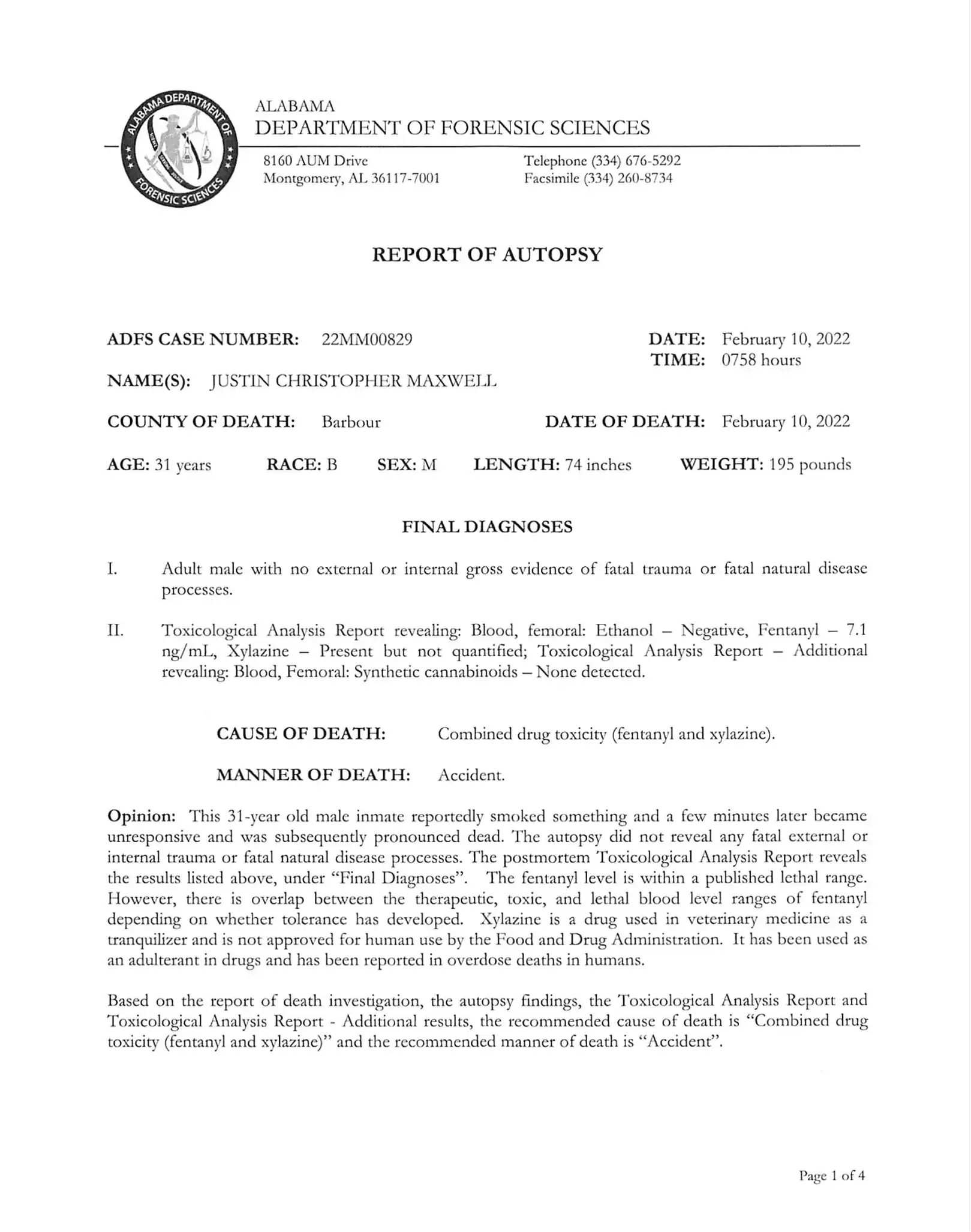
In 2022, Justin Maxwell died shortly after he was found unresponsive in his dorm at Easterling Correctional Facility, an overcrowded medium-security facility about 75 miles southeast of Montgomery. His mother was told Justin smoked something a few minutes before he became unresponsive.
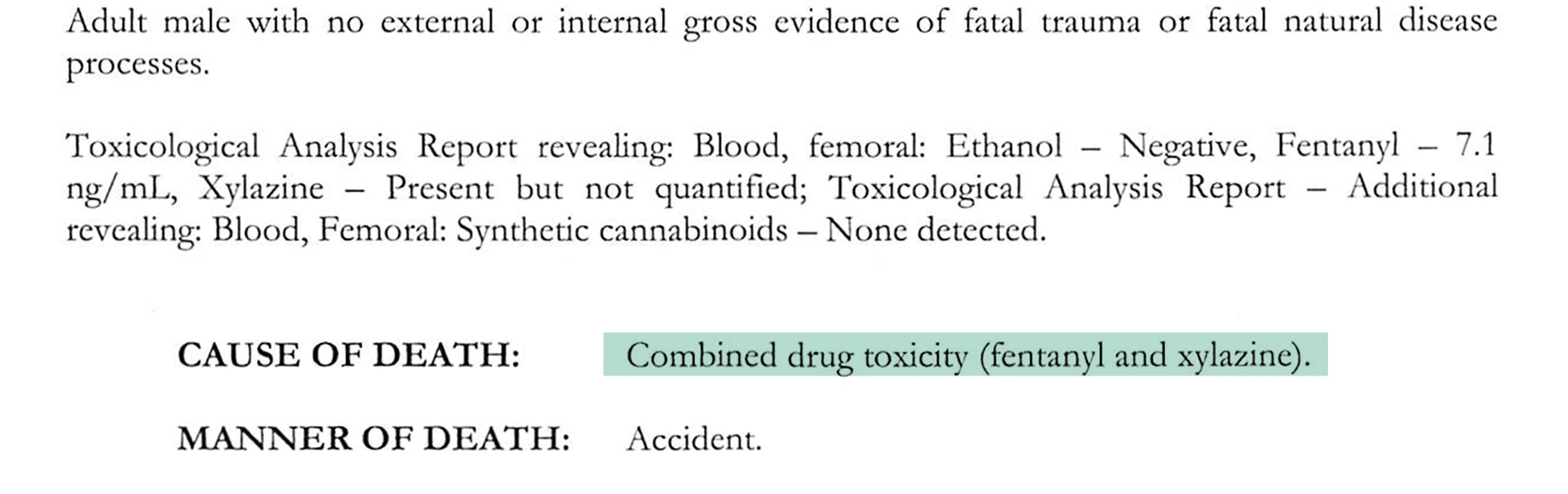
Toxicology tests later revealed a lethal dose of fentanyl, as well as xylazine, which is an animal tranquilizer that is not approved for human use.
SOURCE: Autopsy Report, Alabama Department of Forensic Sciences (2022)
Xylazine is sometimes added to fentanyl, and the combination has been linked to a recent increase in overdose deaths across the nation.
SOURCE: Autopsy Report, Alabama Department of Forensic Sciences (2022)
Barbara learned that her son died when the prison warden called her in the middle of the night. She had talked to Justin on the phone earlier that day, with no hint that it would be the last time she’d ever speak to him.
“He was not in prison to be turned into a drug addict,” she said. “Yes, he did something wrong, but how and why they allowed this to happen is my question. The state should be held accountable.”
Since the initial phone call from the warden, Barbara said no one from ADOC has contacted her with any additional information about Justin’s death. She’s learned more about the drug trade inside the prisons from Facebook, and wonders why the crisis isn’t the state’s top priority.
“These people are losing their lives and nobody seems
to care. I just want someone to hear me.”
